
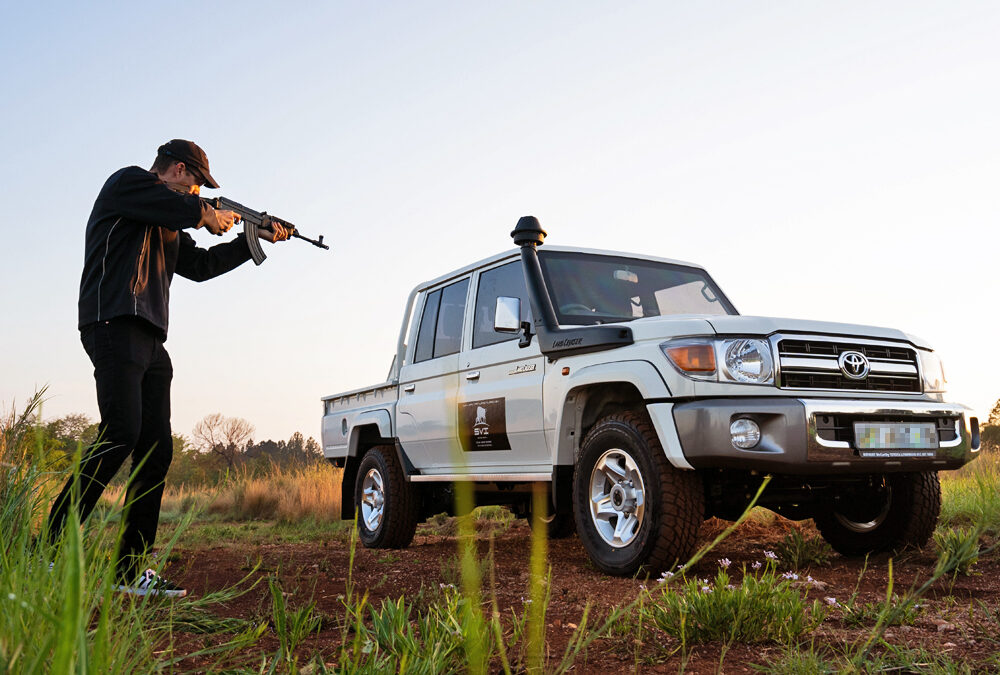
As soon as you think about protecting yourself and your family on the road, the first question is not just “Do I need an armored vehicle?” but “What level of protection is right for me?” Selecting the ideal armor level for your SUV is a decision that blends safety, practicality, and peace of mind. Understanding the options can be the difference between feeling vulnerable and driving with absolute confidence.
Understanding Armor Levels: What They Mean for Your Protection
Ballistic protection has evolved dramatically from medieval chainmail to today’s composite armoring. In North America, the gold standard for measuring vehicle armor is the National Institute of Justice (NIJ) rating system. Adopted in 1972, these standards classify materials and structures based on their ability to withstand attacks from specific firearms and ammunition.
Overview of National Institute of Justice (NIJ) Standards
NIJ sets the bar for armor performance, with its ratings indicating resistance to different calibers and weapons. Whether you see B4, B6, or B7 mentioned, these numbers matter, they define what kinds of threats your vehicle can resist.
Comparing Armor Levels: From B4 to B7 and Beyond
To make sense of what these ratings mean for real-world protection, compare the most common levels found in armored SUVs:
| Armor Level | Typical Protection | Ammunition Resisted | Use Case |
|————-|————————-|—————————————-|—————————|
| B4 | Handguns, shotguns | .357 Magnum, 9mm, .44 Magnum | Civilian, low-risk zones |
| B6 | High-power rifles | 7.62x51mm NATO, .223 Remington | VIPs, executives, higher risk |
| B7 | Armor-piercing rifles | 7.62x51mm armor-piercing rounds | Military, extreme threats |
A jump from B4 to B6 significantly boosts your protection, but also impacts costs and vehicle handling.
Typical Threats Each Armor Level Addresses
Where a B4 armored car shields you from most street-level threats, a B6 can withstand military-grade rifles. B7, at the top end, is reserved for environments where armor-piercing ammunition is a real concern.
Assessing Your Threat Environment
The right armor level depends entirely on your personal risk profile. Not every armored SUV owner faces cartel-level threats, but some do.
Common Threat Scenarios for Different Users
– Government officials and diplomats: Often targeted with rifles or heavier weapons.
– Business executives: Typically threatened with handguns in urban settings.
– Private citizens: May only worry about opportunistic crime and lower-caliber firearms.
Handguns vs. High-Powered Rifles: What Are You Likely to Face?
Handguns remain the weapon of choice in most urban crimes. However, certain regions or positions come with elevated risk, requiring protection against rifles or even armor-piercing rounds.
Regional Crime and Security Factors Impacting Armor Choice
Crime statistics, local unrest, and even travel routes all play a part. For example, what’s adequate in Toronto may fall short in more volatile regions.
Vehicle Compatibility with Armor Levels
More armor means more weight, and not every vehicle can handle it.
Sedans vs. SUVs: Balancing Protection and Mobility
Sedans offer subtlety and better maneuverability, but SUVs provide more space to accommodate heavier armor, passengers, and specialized security features. For those needing serious protection, the SUV often becomes the clear choice.
Impact of Armor Weight on Vehicle Performance
Adding B6 or B7 armor substantially increases curb weight, affecting acceleration, braking, and even fuel economy. Always ensure the base vehicle’s suspension, brakes, and powertrain can handle the upgrade.
Structural Considerations for Supporting Higher Armor Levels
Heavier armor requires reinforced frames and upgraded components. Skimping here can compromise both safety and vehicle longevity.
Budget Considerations: Finding the Right Balance
High-level armor comes at a price. Not everyone needs or can justify the most expensive option.
Cost Differences Across Armor Levels
B4 armoring is less costly, both in initial price and maintenance. B6 and above escalate quickly due to materials and engineering complexity.
Evaluating Value: Protection vs. Price
Match your investment to your actual risk. Over-armoring adds expense and reduces efficiency without meaningful benefit if the threat does not justify it.
Financing and Insurance Implications
Lenders and insurers may treat armored vehicles differently, especially at higher protection levels. Always consult your provider before committing.
Additional Security Features and Add-Ons
Armor is just the beginning. Even a well-armored SUV can be vulnerable without the right supplementary features.
Bulletproof Glass: Types and Effectiveness
High-grade transparent armor (bullet-resistant glass) matches your chosen armor level and is often multi-layered for maximum protection.
Run-Flat Tires and Emergency Evacuation Systems
Run-flat tires allow continued driving after a puncture. Emergency systems, such as smoke screens or secure comms, may be vital in extreme cases.
Integrating Technology for Enhanced Safety
Modern armored vehicles can incorporate GPS tracking, remote immobilization, and surveillance for additional layers of security.
Making the Choice: How to Decide the Perfect Armor Level
It’s not just about the highest number. Balancing threat, lifestyle, and budget creates the best solution.
Comparing Protection Needs Against Practical Limitations
Weigh realistic threats against desired comfort and mobility. There is no one-size-fits-all answer.
Case Studies: Matching Armor Levels to User Profiles
– Civic leader in low-risk area: B4 with basic add-ons.
– Executive in a moderate-risk region: B6, bulletproof glass, run-flat tires.
– Diplomat in high-risk zone: B7, full suite of security upgrades.
When to Consult a Specialist for Customized Solutions
If you feel overwhelmed, consult a professional armoring specialist. Their expertise can tailor protection to your precise needs.
Maintaining and Upgrading Your Armored SUV
Protection does not end with installation. Routine attention keeps you covered.
Routine Checks and Maintenance Tips
Inspect the armor, glass, and added features regularly. Look for wear, seal failures, and potential vulnerabilities.
Upgrading Armor Levels: When and How
Upgrades are possible but can be costly and complex. Plan for future needs at the outset if possible.
Staying Informed on Advances in Armoring Technology
Materials and methods evolve quickly. Staying updated ensures you always have the protection your circumstances demand.
Selecting the ideal armor level for your armored suv is a decision not to be taken lightly. By considering your personal threat environment, vehicle type, budget, and additional security needs, you can drive with confidence, knowing you’ve made the smartest, safest choice possible.
