
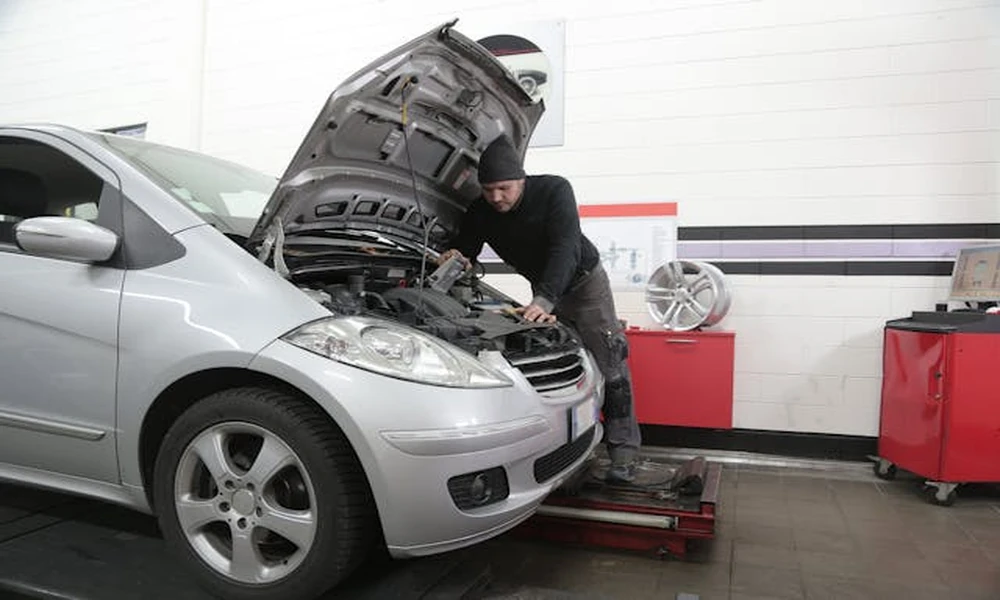
A healthy thermostat keeps engine temperature stable during every journey. The cooling system depends on precise temperature control for reliable engine performance. When the thermostat develops a fault the engine temperature can change unexpectedly.
Sometimes the dashboard gauge rises before suddenly dropping again, but other unusual patterns can also appear during everyday driving. These changes often indicate restricted coolant flow or incorrect thermostat operation. Now careful diagnosis can prevent expensive cooling system damage later.
How the Thermostat Controls Engine Temperature
The thermostat acts like a temperature controlled valve inside the cooling system. It stays closed while the engine remains cold during initial operation. This allows the engine to reach its correct operating temperature quickly. Once sufficient heat develops the thermostat gradually opens for circulation. Coolant then moves toward the radiator where excess engine heat escapes. So a properly working thermostat creates a steady temperature balance. A faulty thermostat can disturb this carefully controlled process and create fluctuations. Auto Repair in Englewood, CO service can help identify these cooling system problems accurately.
Why Temperature Fluctuations Need Proper Diagnosis
Temperature fluctuations can develop from several connected cooling system problems. A faulty thermostat remains one important possibility during professional inspection. Low coolant levels can also interfere with consistent temperature regulation. Air trapped inside the cooling system may create irregular coolant circulation.
A failing water pump can produce similar symptoms under certain driving conditions. Sometimes a damaged radiator can also reduce effective heat transfer. Therefore diagnosis should consider the complete cooling system instead of one component. Z Auto Service can perform suitable checks before recommending thermostat replacement or related repairs.
Preventing Thermostat Related Engine Problems
Regular cooling system inspections can help identify thermostat concerns before overheating occurs. Checking coolant condition can reveal problems affecting circulation and temperature regulation. The cooling system should also receive appropriate servicing according to manufacturer recommendations. Early attention can reduce the possibility of severe engine damage later. But ignoring repeated gauge movement can make a simple repair expensive.
A professional technician can test thermostat behaviour under suitable operating conditions. This approach helps confirm whether replacement is genuinely necessary for reliable operation. Z Auto Service provides practical assistance when unusual temperature changes require careful automotive attention.
FAQs
Can temperature changes happen only after highway driving?
Yes. Higher airflow can temporarily hide cooling problems that become obvious later. A thermostat may behave differently under changing engine temperatures and speeds.
Can a faulty thermostat affect cabin heating?
Yes. Incorrect coolant circulation can prevent the heater system from receiving sufficient heat. This may cause inconsistent cabin temperatures during normal driving.
Does a temperature gauge moving slightly always indicate thermostat failure?
Not necessarily. Small changes can occur during normal operation. Persistent or unusual movement requires proper inspection because several cooling components may contribute.
Should thermostat replacement include coolant inspection?
Yes. Coolant condition and circulation should receive attention during thermostat service. This helps identify related issues and supports dependable cooling performance.
